
Your gutters might not be the most noticeable part of your home, but they play an important role in protecting it from water damage. When gutters begin to sag, they are no longer positioned correctly to move rainwater away from your roof and foundation. A small dip may not seem like a major concern, but it can quickly lead to overflowing water, additional gutter damage, and problems around your home.
If you have noticed sagging gutters are uneven or pulling away from the roofline, here is what could be causing the problem and what you can do about it.
What Causes Gutters to Sag?
There are several reasons gutters can begin to sag over time. One of the most common is loose or damaged hangers and fasteners. These components hold the gutter securely against the fascia, and when they loosen or pull away, sections of the gutter can begin to droop.
Excess weight is another common culprit. Leaves, dirt, pine needles, and other debris can accumulate inside the gutter, while clogged downspouts can cause water to sit in the system. All of that additional weight puts stress on the gutter and its supports.
Poor installation, age, and severe weather can also contribute to sagging. Gutters that were not installed with adequate support or the proper slope may develop problems sooner, while heavy rain, snow, or storms can put additional strain on an aging system.
Signs Your Gutters Are Sagging
Sometimes sagging is obvious, but other signs may be easier to overlook. Take a look at your gutters from the ground and watch for visible dips or sections that appear to be pulling away from the house.
You may also notice water pooling inside the gutter, water spilling over the sides during rain, or gutters that no longer appear to have a consistent slope toward the downspouts. Loose hangers, separated sections, and water stains on your home’s exterior can also indicate that something is wrong.
If you notice any of these issues, it is worth addressing them before the problem gets worse.
Why Are Sagging Gutters a Problem?
Gutters are designed to direct water toward downspouts and away from your home. When a section sags, it can change the gutter’s slope and prevent water from draining properly. Water may begin collecting in the low spot instead of flowing toward the downspout.
That standing water creates even more weight, which can cause the gutter to sag further. Eventually, water may overflow onto your siding, fascia, landscaping, or the ground around your foundation. Over time, poor drainage can contribute to costly water-related problems around the home.
In other words, a sagging gutter can become a cycle: the gutter sags, water collects, the extra weight causes more sagging, and drainage becomes even worse.
Can Sagging Gutters Be Repaired?
The good news is that sagging gutters do not always need to be completely replaced. The appropriate fix depends on the condition of the gutter system and what caused the problem in the first place.
A professional may be able to clean out debris, realign the gutter, replace damaged fasteners, reseal seams, or add additional hangers and supports. These repairs can help restore the proper slope and keep the gutter securely attached to the home.
If the gutters are severely damaged, extensively corroded, or simply reaching the end of their useful life, replacement may be a better long-term solution. A professional inspection can help determine whether a repair or replacement makes the most sense.
How Can You Prevent Gutters From Sagging?
Regular maintenance can go a long way toward preventing sagging. Keeping gutters free of leaves and other debris reduces unnecessary weight, while clear downspouts allow rainwater to drain properly instead of sitting in the gutter.
It is also a good idea to look over your gutters after major storms. Catching a loose hanger or small dip early can give you an opportunity to address the issue before the gutter pulls farther away from the house.
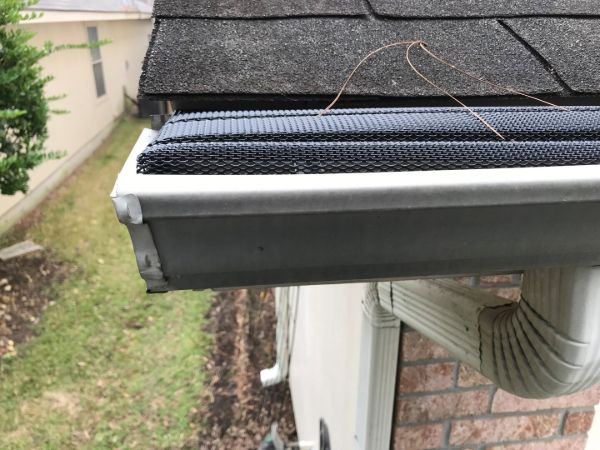
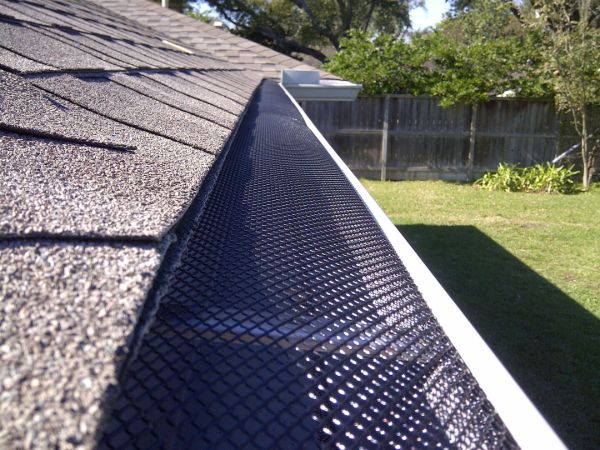
Gutter guards can also help reduce the amount of debris that enters the gutter system. However, even gutters with guards should still be inspected and maintained periodically to make sure water can flow freely.

When Should You Call a Professional?
If your gutters are noticeably sagging, pulling away from the home, or overflowing regularly, it is a good idea to have them inspected. Trying to make repairs yourself can be difficult, particularly when you need to work from a ladder or determine whether the gutter’s slope is correct.
A professional can identify the cause of the problem and determine whether your system needs cleaning, realignment, reinforcement, repair, or replacement. Addressing the issue early can also help prevent a relatively simple gutter repair from turning into a much larger water-damage problem.
Get Your Sagging Gutters Back in Shape With Gutter On
If you have noticed sagging, leaking, or overflowing gutters, Gutter On can help get your system back in proper working order. Contact Gutter On today to schedule a gutter inspection or repair and take care of the problem before it leads to more serious damage.