
As summer comes to an end, it’s time to start preparing your home for the cooler months ahead. Fall leaves, heavy rain, snow, and freezing temperatures can all put extra stress on your gutter system. If your gutters aren’t ready, clogged or damaged sections can prevent water from draining properly and potentially lead to damage around your home.
Taking time to inspect and maintain your gutters before winter weather arrives can help keep water moving where it belongs. Here are some important steps homeowners can take to prepare their gutters for fall and winter weather.
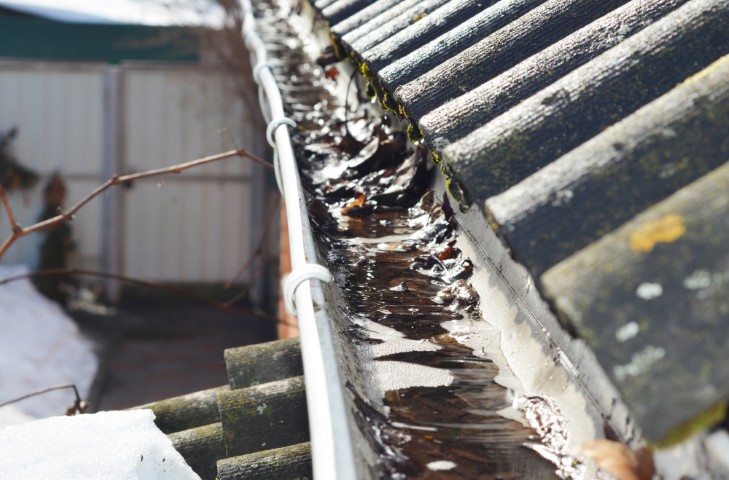
1. Clean Out Leaves and Debris
Falling leaves are one of the biggest challenges gutters face during the fall. As leaves, twigs, and other debris collect inside the gutters, they can create blockages that prevent rainwater from flowing toward the downspouts.
When water can’t move through the system, it may overflow over the sides of the gutters. This can contribute to water damage around your roof, siding, landscaping, and foundation.
Cleaning your gutters before and during the fall can help prevent these problems. If your property has many trees, you may need to check your gutters more frequently as leaves continue to fall.
2. Check for Gutter Damage
Once your gutters are clean, inspect them for signs of damage. Small problems can become more serious when exposed to heavy rain, snow, and freezing temperatures. Look for:
- Cracks or holes
- Rust or corrosion
- Sagging sections
- Loose fasteners
- Separating seams
- Damaged downspouts
If you notice damage, it’s best to address it before winter weather arrives. A professional can determine whether a section can be repaired or if replacement is necessary.
3. Make Sure Your Downspouts Are Clear
Your gutters can only work properly if water has somewhere to go. Downspouts carry water away from the gutter system and direct it toward a safe drainage area. A blocked downspout can cause water to back up into the gutters and eventually overflow. Check your downspouts for leaves, dirt, and other debris, and make sure water can flow freely through them.
You should also make sure downspouts direct water away from your home’s foundation. If water is consistently discharged too close to the house, it may contribute to pooling and drainage problems.
4. Look for Signs of Poor Drainage
Your property can provide clues that your gutter system isn’t directing water properly. After rain, look around your home for areas where water collects or appears to be causing erosion.
Signs of potential drainage problems include:
- Standing water near the foundation
- Erosion beneath downspouts
- Muddy areas around the home
- Water stains on exterior walls
- Overflowing gutters during rain
Addressing these problems before winter weather can help reduce the risk of water-related damage when rain and snow become more frequent.
5. Inspect Your Gutter Guards
Gutter guards can help reduce the amount of leaves and debris that enter your gutters, but they don’t eliminate the need for maintenance. Leaves and other materials can still collect on top of or around the guards.
Before winter weather, inspect your gutter guards for damage, buildup, or areas where debris may be preventing water from entering the gutters. Keeping both the guards and gutters clean can help your system handle fall and winter precipitation more effectively.
6. Prepare for Freezing Temperatures
Freezing temperatures create another challenge for your gutters. If water becomes trapped inside a clogged gutter or downspout, it can freeze and expand, potentially contributing to damage.
Making sure your gutters and downspouts are clear before temperatures drop can help minimize these issues. Proper drainage is especially important during periods when rain and snow repeatedly freeze and thaw.
7. Don’t Ignore Signs of Gutter Problems
It’s easy to overlook gutter problems until they become obvious during a storm. However, warning signs such as sagging gutters, persistent leaks, overflowing sections, or gutters pulling away from your home shouldn’t be ignored.
Taking care of these issues early can help prevent more extensive repairs later. If you’re unsure about the condition of your gutters, a professional inspection can help identify problems that aren’t always easy to see from the ground.
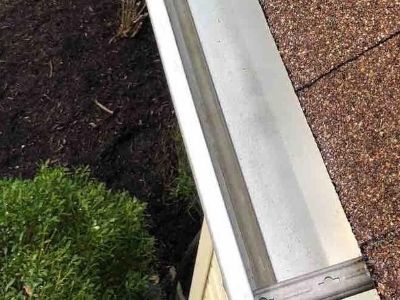
8. Consider Professional Gutter Maintenance
Cleaning and inspecting gutters can be difficult, particularly for homes with multiple stories or hard-to-reach areas. Climbing ladders can also create unnecessary safety risks for homeowners.
Professional gutter maintenance allows an experienced team to inspect the entire system, clean out debris, check for damage, and identify potential drainage issues. Regular professional service can make it easier to keep your gutters functioning properly throughout the year.
Get Your Gutters Ready for Winter Weather With Gutter On
Gutter On can help homeowners keep their gutter systems clean, functional, and ready for changing weather. Whether your gutters need maintenance, repairs, or an entirely new system, professional service can give you greater confidence heading into the colder months.
Don’t wait for the first major storm to discover a gutter problem. Contact Gutter On today to schedule your gutter service and prepare your home for fall and winter weather.