
Spring is the perfect time to step outside, take a good look at your home, and give it the refresh it deserves. After months of winter weather, your home’s exterior has likely taken on more wear and tear than you realize. A thorough spring cleaning not only improves curb appeal but also helps prevent costly repairs later in the year.
If you’re not sure where to start, don’t worry. This homeowner-friendly checklist will guide you through the most important areas to inspect and maintain, beginning with one of the most critical components of your home: your gutters. With help from Gutter On, you can make sure your property is protected from top to bottom.
Why Exterior Spring Cleaning Matters
Winter can be especially harsh on your home’s exterior. Constant moisture, freezing temperatures, and debris buildup can weaken materials and create hidden damage. Small cracks can expand, clogged gutters can strain under the weight of debris, and water can begin seeping into areas it shouldn’t.
Taking time in the spring to inspect and clean your home helps you catch minor issues before they turn into major repairs. Regular maintenance preserves your home’s structural integrity, extends the lifespan of roofing and siding, and ensures your drainage system works properly. Just as importantly, it restores your home’s fresh appearance after a long winter, boosting both pride of ownership and curb appeal.
Step 1: Inspect and Clean Your Gutters
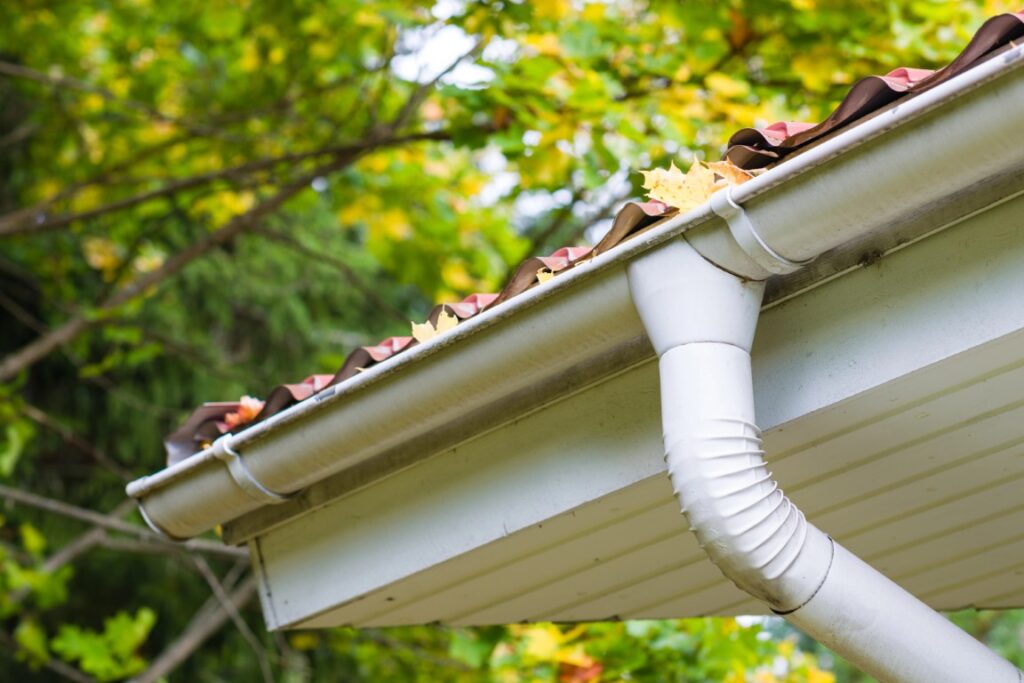
Your gutters play a critical role in protecting your home from water damage. They are designed to channel rainwater away from your roof and foundation, preventing erosion and structural issues. However, when gutters become clogged with leaves, twigs, and debris, they can no longer do their job effectively.
Clogged gutters often lead to water overflowing down the sides of your home. This can stain siding, damage landscaping, and even cause foundation cracks over time. In more severe cases, backed-up water can seep under roofing materials, leading to rot or interior leaks.
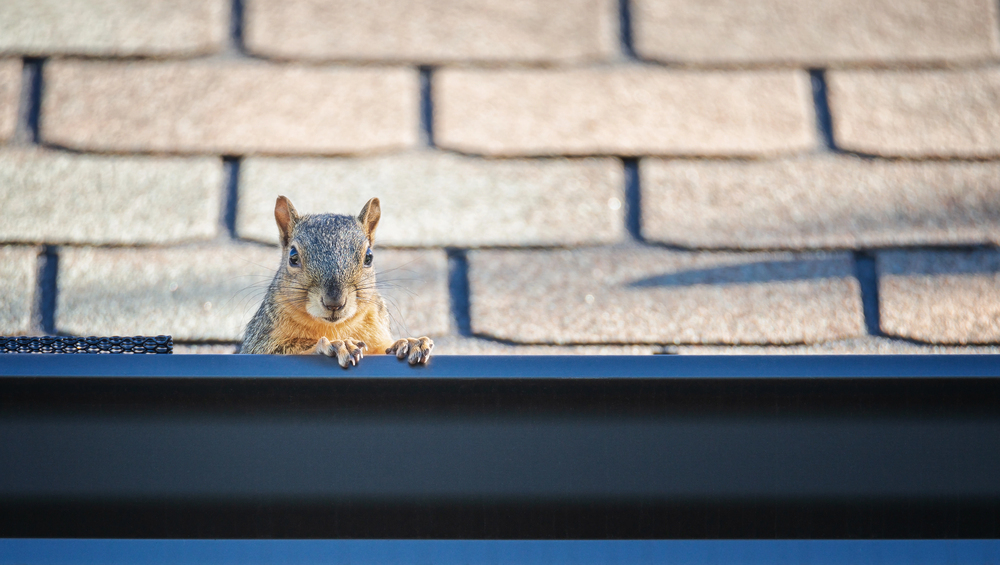
Signs your gutters may need professional attention include:
- Water spilling over the sides during rainfall
- Gutters sagging or pulling away from the home
- Plants or visible debris inside the gutter channel
- Water pooling near the foundation
While some homeowners attempt DIY cleaning, climbing ladders and handling wet debris can be dangerous. Hiring Gutter On ensures your gutters are cleaned thoroughly and safely. Our team removes all debris, clears downspouts, checks for loose sections, and confirms proper water flow. Starting your spring maintenance with professional gutter cleaning protects every other exterior component of your home.
Step 2: Inspect the Roof
Once your gutters are clear, it’s important to evaluate the condition of your roof. Winter storms can loosen shingles, damage flashing, or create weak spots that allow moisture intrusion. Even minor damage can worsen over time if left unaddressed.
Walk around your property and visually inspect the roof from the ground. Look for missing, curling, or cracked shingles. Pay attention to areas around vents and chimneys where flashing may have shifted. Early detection allows for quick repairs before leaks develop.
Properly functioning gutters from Gutter On play a key role in roof health. When gutters are clogged, water can back up onto the roof, increasing the risk of damage. Keeping gutters clean supports the longevity of your entire roofing system.
Step 3: Wash Siding and Exterior Surfaces

Over the winter months, dirt, algae, and mildew accumulate on siding and trim. Spring cleaning is an excellent opportunity to wash away grime and restore your home’s brightness.
A garden hose and mild cleaning solution are often sufficient for most siding types. For tougher buildup, careful pressure washing may be appropriate, though excessive pressure can cause damage if not done correctly. Clean siding not only improves aesthetics but also prevents long-term staining and deterioration caused by mold or mildew growth.
Step 4: Check Windows and Doors
Windows and doors can develop gaps or worn seals during winter. Carefully inspect caulking around frames and replace any cracked or peeling areas. Damaged weather stripping should also be replaced to maintain energy efficiency.
Cleaning window glass and screens allows more natural light into your home and enhances its overall appearance. Properly sealed windows and doors reduce drafts to help your home stay comfortable as temperatures rise.
Step 5: Inspect Driveways and Walkways
Cold temperatures often cause concrete and asphalt to crack due to freeze-thaw cycles. Take a walk around your driveway and pathways to look for cracks, uneven surfaces, or areas where water collects.
Addressing small cracks early prevents them from expanding and becoming safety hazards. Proper drainage from clean gutters also protects these surfaces. When gutters overflow, excess water can accelerate driveway erosion and contribute to pooling around walkways.
Step 6: Trim Landscaping and Clear Drainage Areas

Landscaping plays an important role in protecting your home’s exterior. Overhanging branches can drop leaves directly into your gutters, leading to repeated clogs. Trimming trees back from the roof reduces debris buildup and protects shingles from abrasion.
It’s also important to ensure downspouts direct water several feet away from your foundation. Clear any obstructions around drainage areas and confirm the ground slopes away from your home.
Make Gutter Cleaning Your First Step This Spring
A well-planned spring exterior cleaning routine protects your home, enhances its appearance, and provides peace of mind. By starting with your gutters, you safeguard your roof, siding, foundation, and landscaping all at once.
If you want your home properly prepared for spring rains, contact Gutter On for professional gutter cleaning services. Our experienced team will ensure your gutters are clear, secure, and functioning exactly as they should, so you can enjoy the season without worrying about water damage.